
What is the role of dance—do we still need this role?
Let us explore through this blog post the formative power and significance of roles in dance, and consider whether they remain necessary.
Kexin XU
January 4, 2026
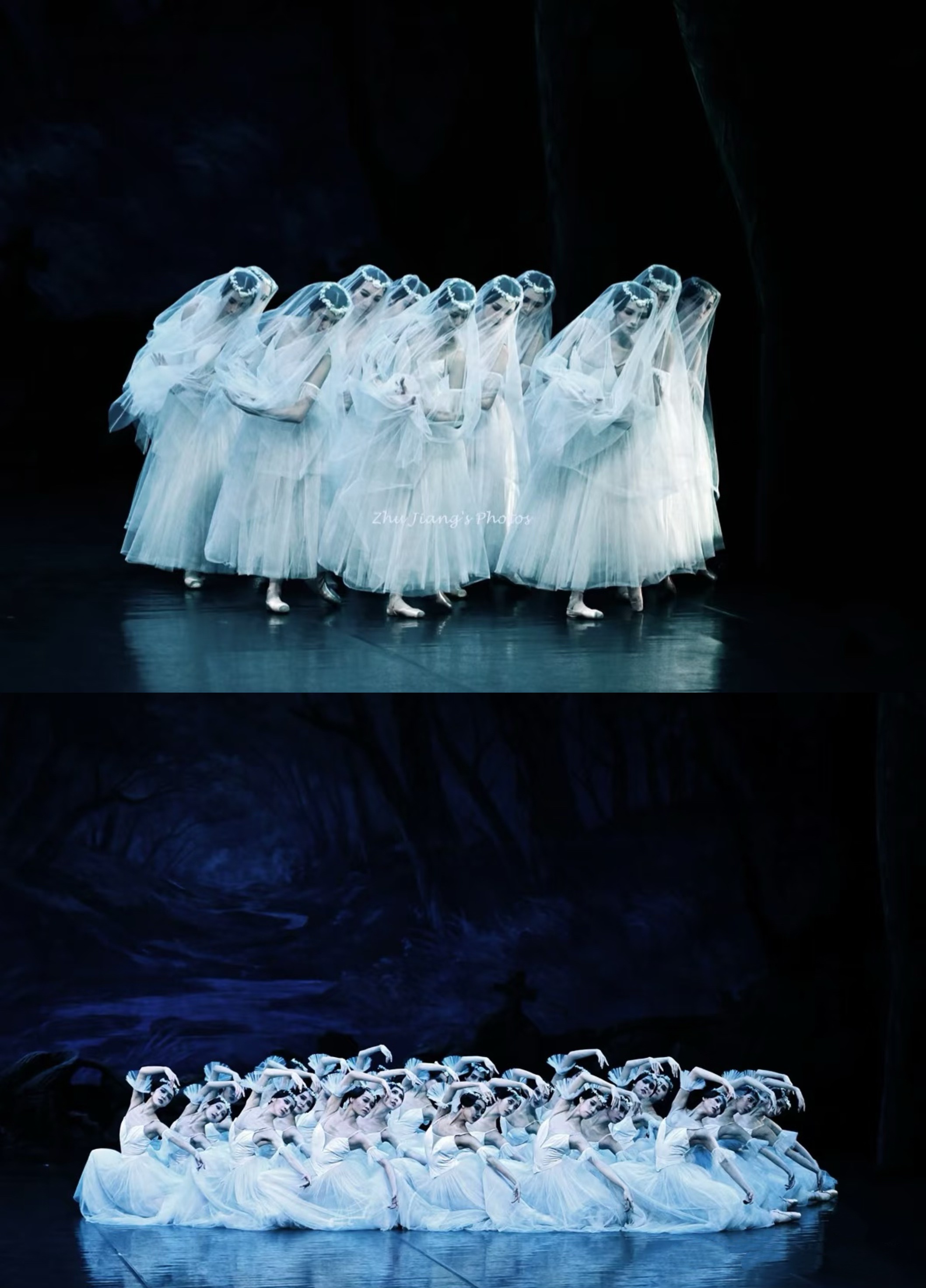
What makes up a dance character? For centuries, in many traditional dance forms, characterisation has been the fundamental aim. Through shaping a role, dancers convey the character’s inherent narrative or emotions, advancing plot and storytelling. Upon stage presentation, performers often embody swans, lovers, or historical figures, using physical movement to fully articulate narrative, sentiment, and underlying meaning. Audiences interpret these moving bodies as the embodied manifestation of fictional identities. In this sense, exceptional performance lies in convincingly becoming another.
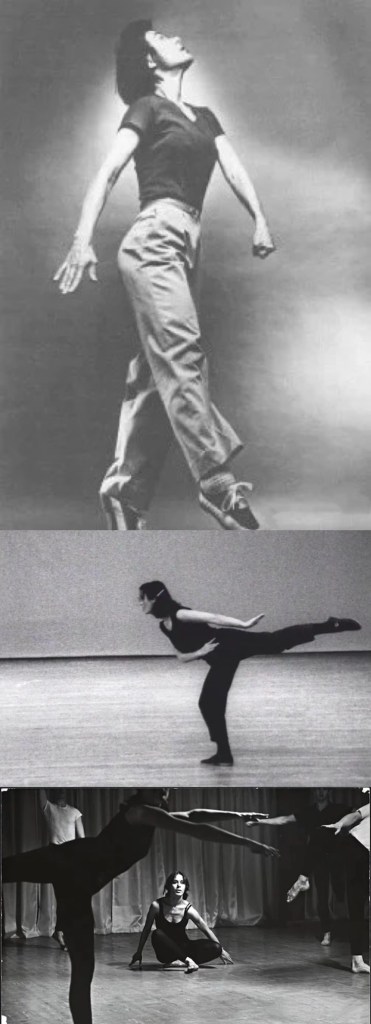
However, within contemporary dance practice, this very notion of characterisation is increasingly being called into question. When movement no longer serves a narrative, and when dancers are not required to embody specific roles, what becomes of the concept of character? Can audiences comprehend its underlying meaning? More crucially, if character vanishes, does meaning vanish with it?
In this blog post, I wish to propose a different perspective: contemporary dance does not lose its meaning when it abandons character portrayal, but repositions meaning within the present sense of existence, bodily sensation, and real-time experience. It represents a shift from external narrative to internal being. Within this framework, the dancer’s body becomes the direct conveyor of meaning, rather than merely a vessel for storytelling.
 What is the role of dance—do we still need this role?-Kexin XU